
My kids recently watched an episode of Nickelodeon’s teen sitcom Sam & Cat, starring Jennette McCurdy and Ariana Grande. Yes, it really was my kids who turned it on. I was in the other room working.
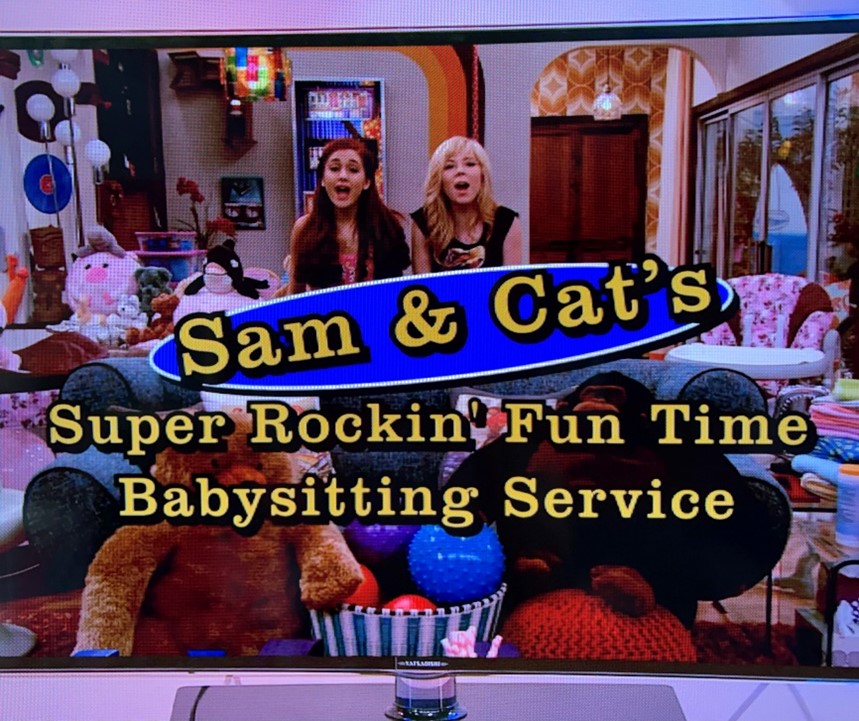
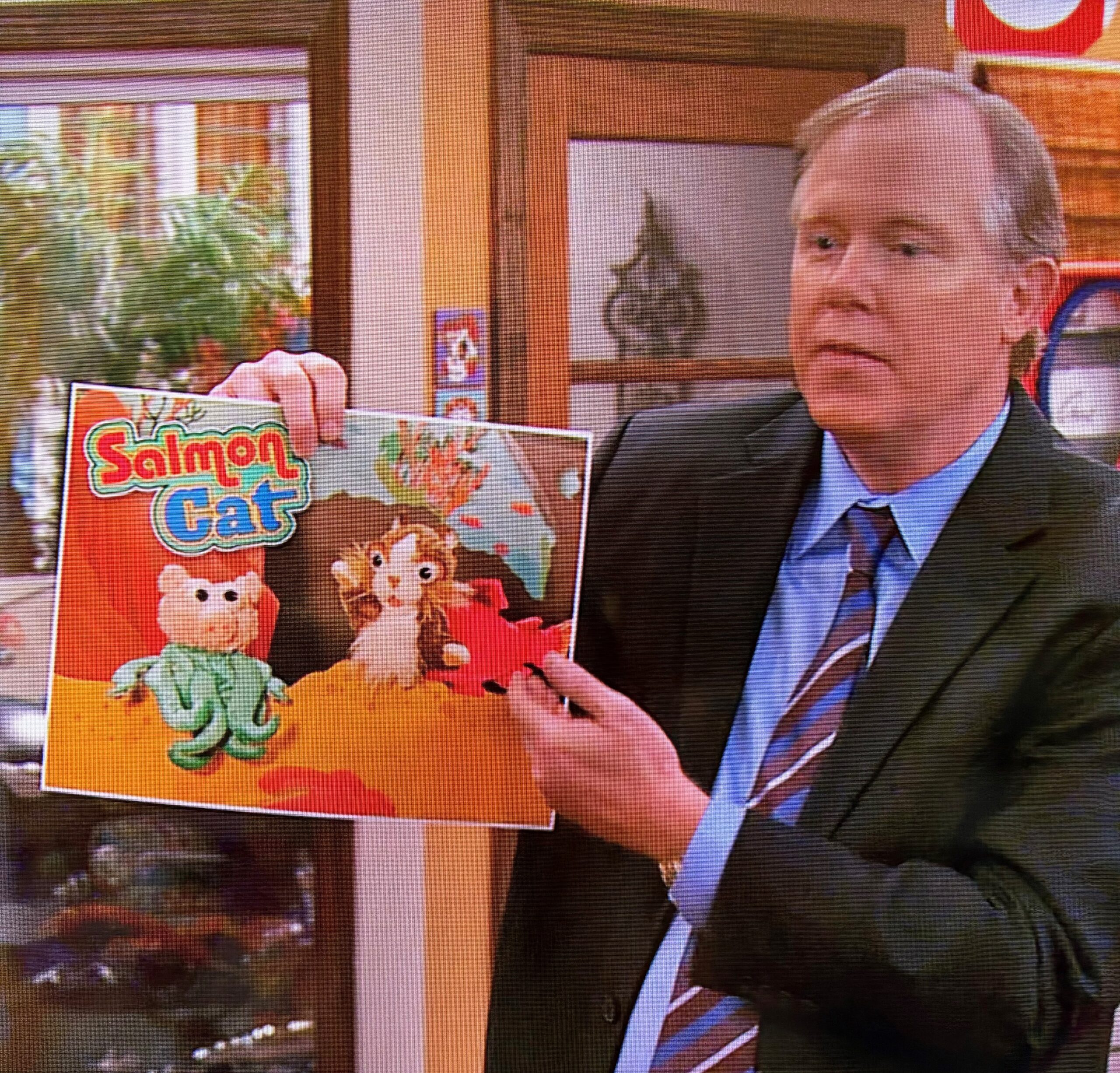
The episode is titled “#SalmonCat,” and, as often happens when lawyers accidentally watch children’s television, I started noticing legal problems. The episode’s premise is that Sam and Cat’s babysitting business gets hit with a trademark claim because an old 1970s children’s puppet show was called “Salmon Cat.” Things escalate quickly, and by the time the plot’s conflict peaks, Sam and Cat are enjoined from entering their apartment until the dispute is resolved.
As the dialogue gathered more of my attention, I distilled two legal issues. One was the trademark issue: does “Sam and Cat” infringe “Salmon Cat”? The other was procedural due process: that the girls were locked out of their apartment seemingly without notice and without an opportunity for a hearing. The latter was interesting, though it fell squarely within the category of grossly exaggerated caricatures of the American legal system á la Suits.
The trademark dispute, on the other hand, was realistic and legitimate.
A Not-So-Hollywood Trademark Issue
On the merits, the claim is not entirely frivolous. The lynchpin of trademark infringement is the likelihood of confusion, that is, whether the newer, “junior” user’s use of the mark is likely to lead a consumer to believe that the goods or services are affiliated with the prior, “senior” user. Marks can be confusing not only in sight, but also in sound. One classic example of these “sound-alike” marks is the 1985 case in which the USPTO’s Trademark Trial and Appeal Board determined that SEYCOS created a likelihood of confusion with SEIKO and denied registration.
“Salmon Cat” and “Sam and Cat” are at least close enough in sound to make someone ask the question. Add in the fact that both are tied to kids, and you can see why a lawyer might send a demand letter.
But that does not make infringement obvious. “Sam and Cat” is also just the girls’ names. The marks do not look the same, do not mean the same thing, and are not used in exactly the same market. One is a puppet show. The other is a babysitting service. That does not defeat a claim on its own, but it makes for a closer call.
Problems with the Procedure
Where the trademark dispute goes off the rails legally is the procedure. If you’ve been involved in a trademark fight, you know it takes much longer than a Gen Alpha’s attention span to get relief—even preliminary relief. So I don’t fault the writers. But the episode treats a lawyer’s cease-and-desist letter as an immediate court order, even though such letters are not self-executing. Had Salmon Cat really wanted to press the issue, it would have needed to sue the old-fashioned way—file a complaint, serve Sam and Cat, and prove its trademark claim in court.
Sam and Cat would have been entitled to respond and contest both ownership of the mark and likelihood of confusion. And if Salmon Cat wanted the court to step in early, it would have needed to seek injunctive relief under Rule 65, which still means an actual judge and an actual procedural showing—not just a lawyer appearing with papers and declaring victory.
Tailored Remedies, Not Operational Death Knells
The remedy shown in the episode is even harder to justify. This point often doesn’t get enough attention in early settlement analyses. The question shouldn’t be what relief the plaintiff sought; it’s what the court is likely to require the junior user to do or stop doing. That distinction matters because plaintiffs often ask for the moon, while courts usually award relief tailored to the alleged infringement. If the problem is the mark, the remedy is usually to stop using the mark—not to dismantle the entire enterprise built around it.
A Trademark Lawyer-Dad’s Takeaway
“#SalmonCat” actually stumbles into a decent trademark issue, but its procedure is pure TV nonsense. The infringement question is debatable. The no-hearing, instant-enforcement court order is the real fiction. That’s what made the episode fun for me. As the credits rolled, I can safely say that Nickelodeon wrote a decent law school exam question.
-John Dollarhide

